Voicemail Greeting Examples: 5 Scripts Callers Act On.
Need voicemail greeting examples? The standard one asks for nothing. These 5 voicemail scripts steer the caller — and get you a message worth having.
Look at your missed calls from this week. How many of those people actually left a message? For most of us the honest answer is: almost nobody. Two out of ten, on a good week.
That isn’t bad luck and it isn’t you. The standard greeting — “You’ve reached the voicemail of… please leave a message after the tone” — asks for nothing, so it gets nothing back. A name and “give me a ring”, at best. Which you already knew from the missed call.
And that’s a shame. Because you do want that message. You want to know whether it’s the client you’ve been waiting to hear from, the school, or someone selling solar panels. Right now all you know is that your phone rang, and you get to guess the rest.
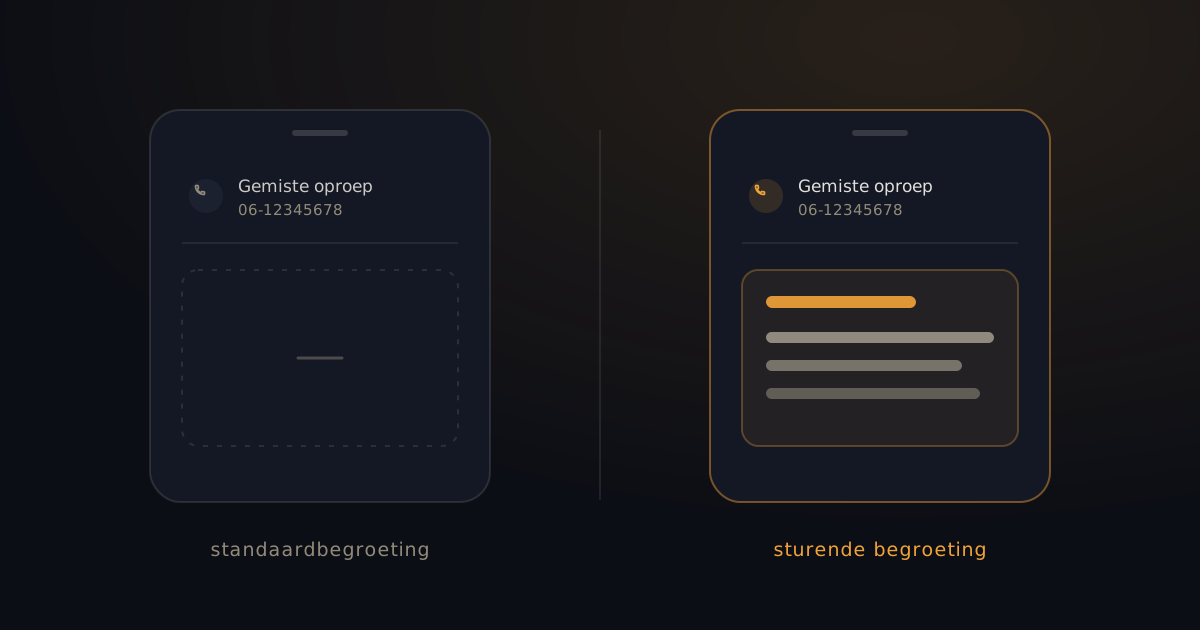
Why nobody leaves messages anymore
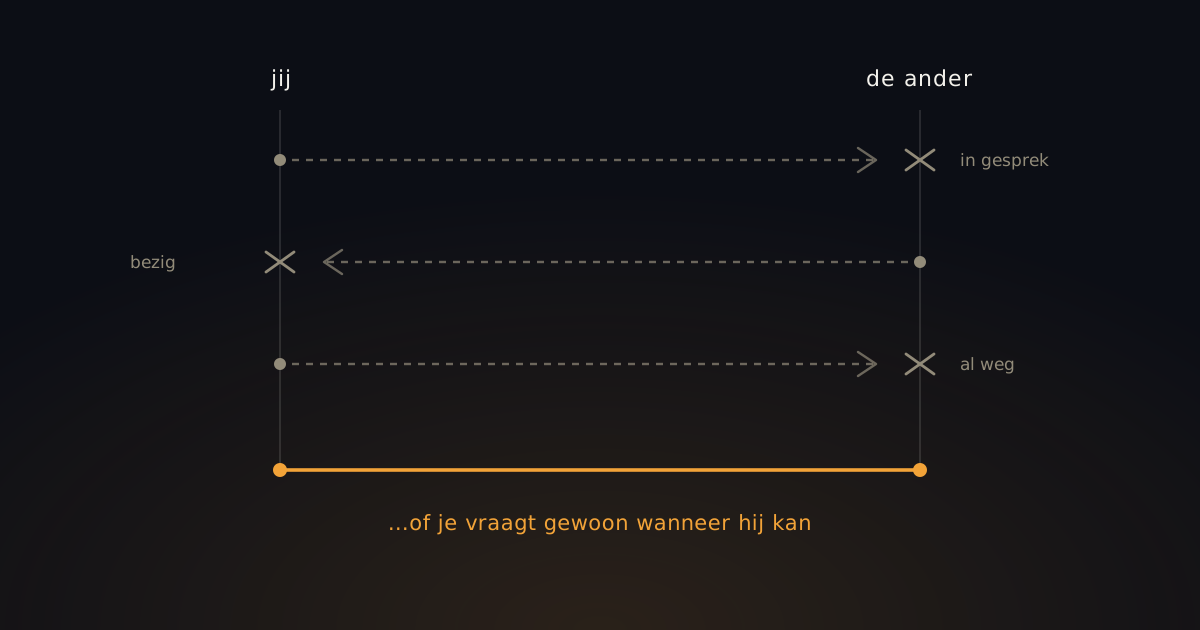
Because leaving one is awkward. You’re talking to a tone, you don’t know how much time you have, and you can hear yourself stumbling. So callers keep it short, or they just hang up.
That same person then types out a perfectly clear message thirty seconds later, saying exactly what they want. No tone, no pressure, and they get to read it back before they hit send.
That’s your opening. Not sounding better — asking for something. Your greeting is the only ten seconds in which you get to steer the caller. Most people spend it on their own name and a beep.
5 voicemail scripts that actually ask the caller for something
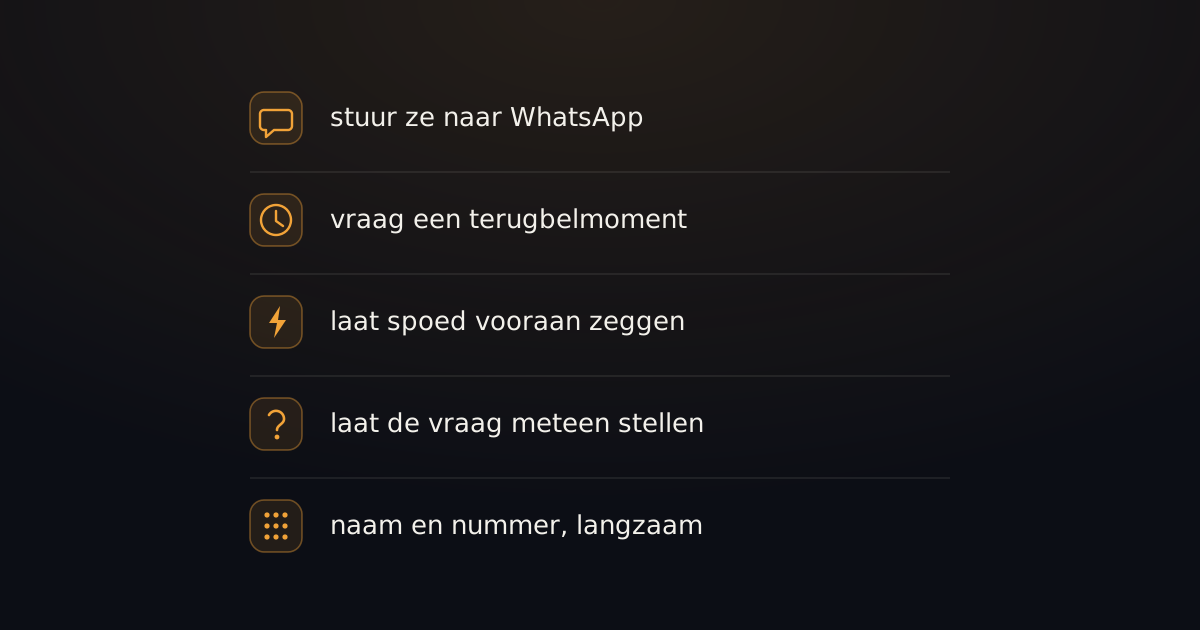
1. Send them to WhatsApp
“Hi, you’ve reached [name] at [company]. I can’t pick up right now. Need a quick answer? Send me a WhatsApp or a text on this number and I’ll come back to you as soon as I can. Leaving a message works too, of course.”
The easiest win on this whole list. You take away the awkward bit and get back something you can read in one glance — on the train, in the middle of a meeting, or anywhere picking up the phone isn’t an option.
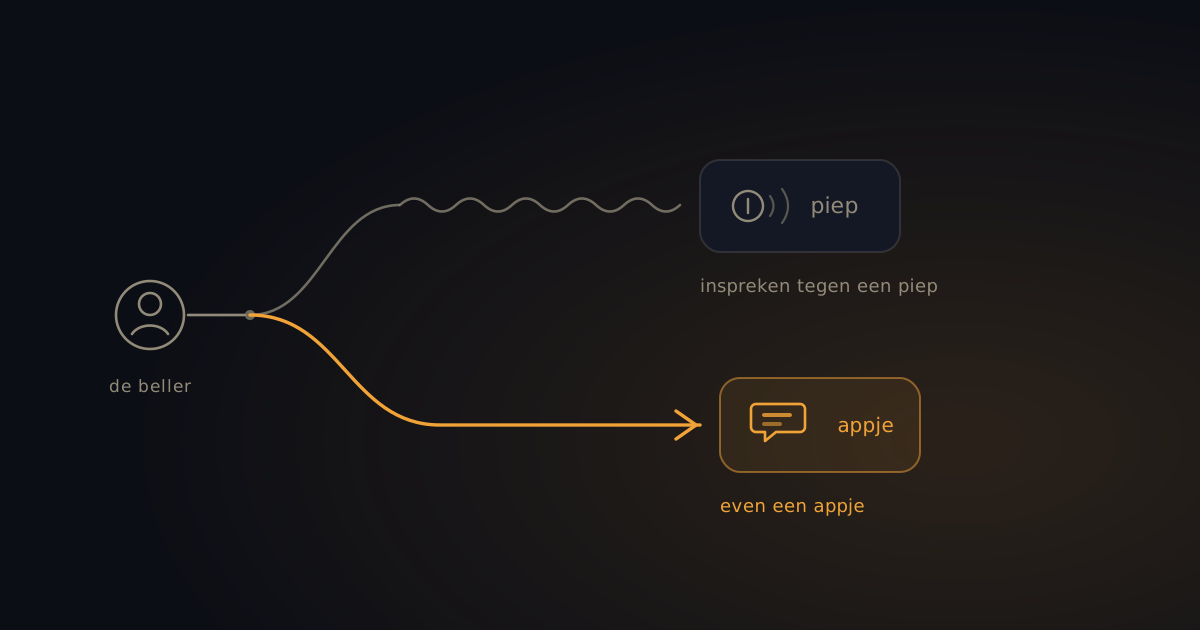
2. Ask when they can be reached
“It’s [name]. I’ll call you back today. Just tell me when you’re easy to reach — otherwise we’ll spend the afternoon missing each other.”
Everyone knows the loop. You ring back, they’re in a meeting. They ring you, you’re already on another call. Three rounds later you still haven’t spoken. One sentence prevents all of it, and it costs the caller three seconds.
3. Let them say it’s urgent — first
“You’ve reached [name] at [company]. I check my messages a few times a day. If it’s urgent, say so right at the start and I’ll spot it straight away. Otherwise, just your name and what it’s about is perfect.”
“Right at the start” is the entire trick. Then it’s at the top of the message, and you don’t have to sit through all forty seconds to discover it was about an invoice from last month.
4. Let them ask the question
“[name] here. Go ahead and ask your question in the message — I can usually answer it on the spot, and then neither of us has to call at all.”
A big share of what people ring about is one short question. Could we make it Tuesday instead? Roughly what does that cost? Do you do X as well? Ask for it and you get it, and you’re done in a single message.
5. Ask for the number, slowly
“You’ve reached [name]. Leave your name and number — spell the name and say the number slowly, so I’m not guessing. Add a line about what it’s about and I’ll call back prepared.”
Boring advice. Saves the most time in practice. Anyone who has rewound a message three times to catch a mobile number knows exactly why.
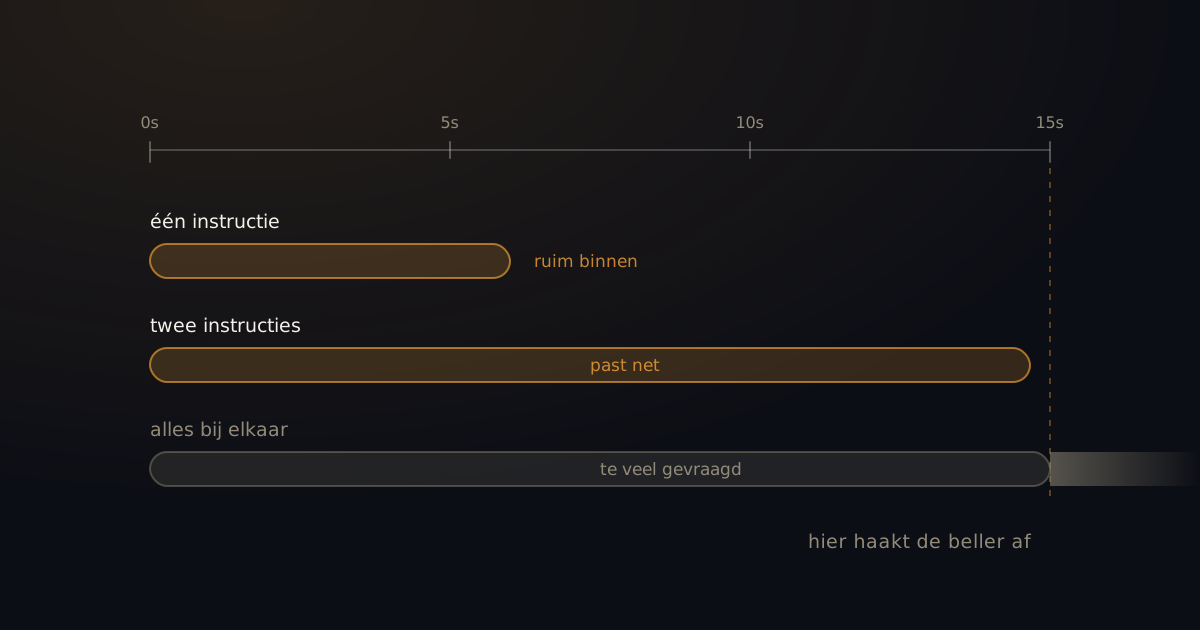
You get one instruction. That’s it.
Roughly fifteen seconds before people tune out. That’s one instruction, two if you push it. So choose.
Out and about a lot? Take the WhatsApp switch. Losing whole afternoons to callbacks that never land? Ask for the good moment. Getting a lot of short questions? Let people ask them. Everything else you can still ask in your reply.
What you should not do is glue all five together. Nobody listens to the end of that one.
Things worth scrapping
“Please leave a message after the tone.” The caller knows what a tone is. You just spent your one steering sentence on an instruction manual.
“I’ll get back to you as soon as possible.” Sounds polite, means nothing, and it’s a promise on top of that. Say when you’ll call back, or say nothing.
The long company intro. Nobody rings to hear your mission statement. They want to get their message out and get on with their day.
A holiday greeting that’s still there in November. Instant trust problem — someone who forgets their own voicemail probably forgets other things too.
Being funny. On your personal number, fine. On your work number, rarely, and never for someone who’s calling with a problem.
One thing left over
All five of these share a weak spot: they only work if you actually read the messages that come in.
“Go ahead and ask your question” is a fine instruction, right up until that message lands in a voicemail box you get round to at nine in the evening. “Tell me when you’re reachable” has the same problem — useless if you hear it long after the moment has passed.
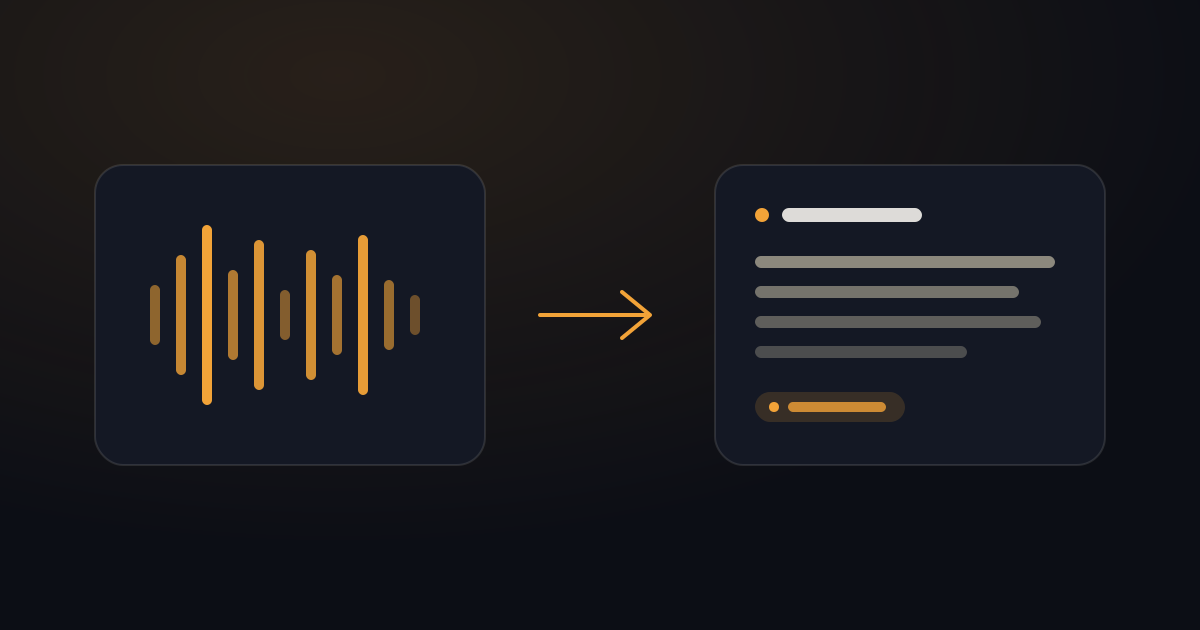
That gap is the one we fill. Your voicemail stays your voicemail, and nothing changes for the person calling you. But what they say arrives with you as readable text: the gist in one line at the top, names, numbers and times pulled out, and a draft reply already waiting. You read it between two other things and decide for yourself when to come back to it.
That’s when a greeting like this really works. The caller hands you something usable, you see it straight away, and you keep a grip on your reachability without having to pick up all day.
Would you rather someone actually answered instead of a message being left? That’s an option too — the missed-call options compared puts them side by side. Or start with how voicemail-to-text works.
Frequently asked questions
How long should a voicemail greeting be?
Under fifteen seconds. Enough for one clear instruction.
Can you really send callers to WhatsApp or a text?
Yes, and it often suits both sides better. Typing takes less effort than talking to a tone, and you can read a message at moments when calling doesn’t work. Do check that the number you name actually has WhatsApp on it.
Should I say my name?
Yes. Otherwise the caller isn’t sure they’ve reached the right number, and they hang up without leaving anything at all.
Formal or casual?
However you normally speak to the people who call you. Consistency matters more than the rule.
Is a professionally recorded greeting worth it?
It sounds sharp, but a beautiful voice that asks for nothing still gets you an empty message. The instruction does the work, not the voice.
What if I never listen to my voicemail anyway?
Then you’re making a promise you don’t keep. Either switch it off (here’s how) or make sure you read those messages instead of having to listen to them.
In short
The standard greeting asks for nothing and gets nothing — which is exactly why hardly anyone leaves a message anymore. Use those ten seconds to steer: to WhatsApp, or towards the one detail that saves you a round of callbacks. And make sure whatever comes in actually reaches you.
Make sure a spoken message actually gets to you. Switch BeepSweep on → You read it back in WhatsApp. Missed the call, not the message.